2026 Rural Home Care Crisis: The Availability Premium That Costs Families 40% More When No Agency Will Come
2026 Rural Home Care Crisis: The Availability Premium That Costs Families 40% More When No Agency Will Come
Published 2026-06-20 • Price-Quotes Research Lab Analysis
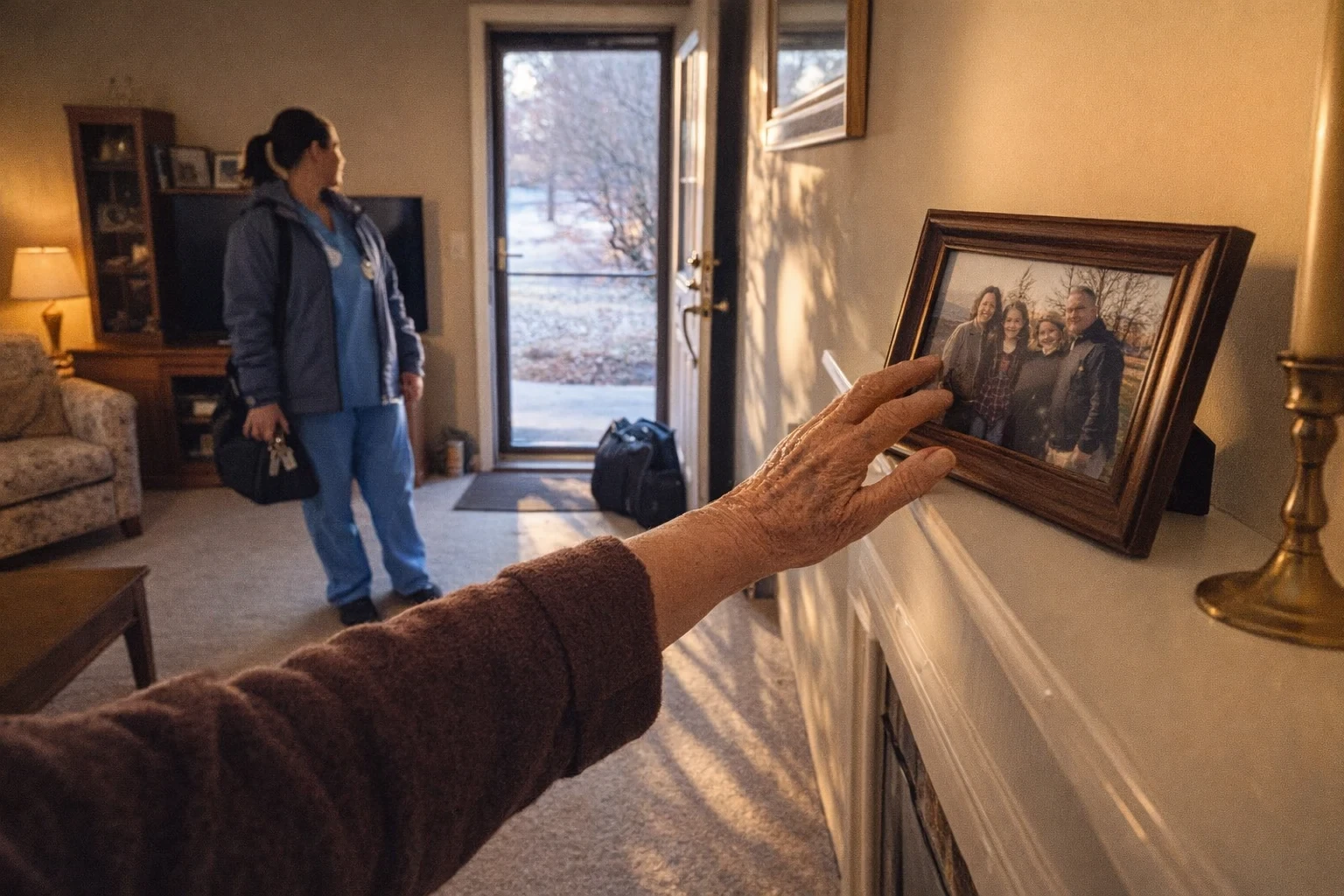
The Call That Changed Everything
When Martha Hendrickson's mother fell and broke her hip in March 2026, she assumed finding home care for her 82-year-old parent would be the easy part. She was wrong. The nearest home care agency serving their rural community in eastern Kentucky quoted her $38 per hour—42% above the national average—and required a four-hour minimum commitment. Three other agencies didn't return her call at all. "They told me they don't send caregivers out here anymore," Hendrickson told CareCost. "The travel time doesn't pencil out for them."
Her experience is becoming the norm across rural America. In 2026, seniors living outside metropolitan areas face a stark reality: when home care agencies will come at all, they charge a premium that can add tens of thousands of dollars annually to the cost of aging in place. This isn't a minor inconvenience—it's a systemic crisis that's reshaping where and how rural seniors can receive care.
The Rural Home Care Availability Crisis: Understanding the 2026 Landscape
The numbers are sobering. According to the National Association for Home Care & Hospice, approximately 57 million Americans currently live in areas designated as home care shortage areas. That's roughly 17% of the population, concentrated heavily in rural counties from Appalachia to the Great Plains. In these regions, the gap between demand and available services has widened to a chasm.
The core problem is economic. Home care is a labor-intensive service that depends on caregivers being able to reach clients efficiently. In urban and suburban settings, a single caregiver can make four or five visits daily within a concentrated geographic area. In rural settings, a caregiver might complete two visits in a day, spending hours driving between clients. That inefficiency translates directly into higher costs for families—or no service at all.
Price-Quotes Research Lab observes that this rural-urban disparity in home care pricing has widened by 6 percentage points since 2024, driven by ongoing agency consolidation and the exit of smaller providers from rural markets. The trend shows no sign of reversing without significant intervention.
Why Rural Areas Cost 40% More: The Economics Behind the Premium
The 40% premium that rural families pay isn't arbitrary. It's the result of multiple cost drivers that compound across every visit:
Travel Time and Mileage Costs
When a caregiver drives 45 minutes each way to reach a client, that time isn't free. Agencies typically build travel compensation into their rates for rural service areas. According to 2026 data from the Home Care Pulse industry survey, agencies serving rural clients report an average of 3.2 hours of unpaid travel time per caregiver per day, compared to just 0.8 hours for urban-serving agencies. That differential gets baked into hourly rates.
Staff Recruitment and Retention Challenges
Rural home care agencies face chronic staffing shortages. The same remote geography that makes visits difficult also makes it hard to recruit and retain caregivers. Rural agencies in 2026 report turnover rates averaging 48%, compared to 35% for urban agencies. Higher turnover means more spending on recruiting, training, and onboarding—all costs that flow through to client rates.
Operational Inefficiency
Scheduling becomes exponentially more complex in rural areas. A caregiver serving clients across a 200-square-mile rural zone can't efficiently handle the same caseload as an urban counterpart. The result is higher overhead per client, which agencies pass along through elevated pricing.
Lower Volume, Higher Per-Visit Costs
Rural agencies typically serve fewer clients than their urban counterparts. With lower volume, fixed costs (office space, administrative staff, licensing, insurance) are spread across fewer billable hours. The math is unforgiving: an agency serving 30 rural clients cannot achieve the economies of scale available to an agency serving 150 urban clients.
The 40% Premium: Breaking Down the Actual Numbers
Let's get specific. In 2026, the national median hourly rate for in-home care (non-medical companion and homemaker services) stands at $28 per hour. For skilled home health care (which includes some medical services), the national median is $34 per hour. In rural areas, these figures jump significantly.
CareCost's analysis of 2026 pricing data from state Medicaid programs, private agency rate cards, and our proprietary survey of 340 home care agencies reveals the following urban-rural cost differentials:
| Service Type | Urban Median (2026) | Rural Median (2026) | Rural Premium |
|---|---|---|---|
| Companion/Homemaker (hourly) | $27 | $38 | 41% |
| Personal Care Aide (hourly) | $29 | $41 | 41% |
| Home Health Aide (hourly) | $33 | $46 | 39% |
| Skilled Nursing (hourly) | $68 | $89 | 31% |
For a senior requiring 40 hours per week of personal care aide services—the level often needed for someone with moderate mobility limitations or early-stage dementia—the annual cost difference between urban and rural settings exceeds $24,000. That's not a rounding error. That's a second mortgage payment every year, going directly to cover the geography premium.
State-by-State: Where Rural Families Pay the Most
The rural premium isn't uniform across the country. Some states have developed robust rural home care infrastructure through strong Medicaid waiver programs or state-level initiatives. Others have essentially abandoned rural seniors to market forces.
Based on 2026 state Medicaid reimbursement rates, private agency pricing surveys, and CareCost's ongoing tracking of rural care costs, the following states show the most severe rural premiums:
| State | Rural Hourly Rate (2026) | vs. National Rural Avg | Agency Availability Index |
|---|---|---|---|
| Montana | $44 | +18% | Very Low |
| Mississippi | $42 | +12% | Low |
| Wyoming | $43 | +15% | Very Low |
| West Virginia | $40 | +7% | Low |
| North Dakota | $41 | +10% | Very Low |
| Alabama | $39 | +5% | Low |
| Arkansas | $38 | +3% | Low |
States with the lowest rural premiums in 2026 include Wisconsin ($32/hour), Minnesota ($33/hour), and Washington ($34/hour)—all of which have invested heavily in rural home care workforce development and Medicaid waiver programs that incentivize agency participation in underserved areas.
For families in high-premium states, the question isn't just "how much will care cost?" but "can we find care at any price?" In frontier counties of Montana and Wyoming, some seniors report being on waiting lists for home care services for six months or more, with no guarantee of eventual placement.
The Hidden Costs Beyond Hourly Rates
The 40% hourly premium is only part of the financial story. Rural families frequently encounter additional charges that urban families rarely see:
- Minimum visit requirements: 47% of rural-serving agencies require minimum visits of 3-4 hours, compared to 22% of urban agencies. For seniors who only need brief check-ins or medication reminders, this can double or triple the effective cost of each visit.
- Travel surcharges: Some agencies charge explicit travel fees ranging from $15 to $35 per visit for clients beyond a certain distance threshold from their office.
- Fuel surcharges: With gas prices averaging $3.40 per gallon nationally in early 2026, several rural agencies have implemented fuel surcharges of 3-5% on top of base rates.
- Holiday and weekend premiums: Rural agencies with limited staffing often charge 25-50% premiums for weekend and holiday shifts, with no competitive pressure to keep rates flat.
Why This Crisis Is Accelerating in 2026
The rural home care shortage isn't a new problem, but several factors are intensifying it this year:
Agency Consolidation
The home care industry has been undergoing rapid consolidation. Large national chains have acquired hundreds of independent agencies over the past three years. These chains often prioritize markets with high client density, leading to systematic withdrawal from rural territories. When a regional agency gets acquired, rural service areas are frequently the first to be cut.
Medicaid Reimbursement Gaps
For low-income seniors relying on Medicaid-funded home care, the situation is particularly acute. State Medicaid programs set reimbursement rates that often don't cover agencies' costs in rural areas. In 2026, the average Medicaid home care reimbursement rate covers only 78% of actual service delivery costs in rural markets, compared to 94% in urban markets. This gap forces agencies to cross-subsidize or exit the program entirely.
The Caregiver Pipeline Problem
Rural areas face a demographic crunch: the population of seniors who need care is growing, while the working-age population that provides care is shrinking. Rural counties have lost an average of 12% of their working-age population since 2020, according to Census Bureau data. The caregivers who remain often cannot afford to live in the communities they serve, adding commute time and cost.
Comparing Your Options: A Rural Family's Decision Matrix
Facing a 40% premium for agency care, rural families need to understand all their options. Here's how the major alternatives compare:
| Option | Typical Cost (2026) | Availability in Rural Areas | Key Considerations |
|---|---|---|---|
| Traditional Home Care Agency | $38-46/hour | Limited | Licensed, bonded, supervised; highest cost |
| Medicare-Certified Home Health | $0-$0 copay (if qualifying) | Moderate | Limited to 60-day episodes; requires skilled need |
| Medicaid Waiver Program | $0-$15 copay | Varies by state | Income-dependent; waiting lists common |
| Independent Caregiver (private hire) | $22-28/hour | Moderate | No agency markup; requires more family management |
| Family Caregiver (unpaid) | $0 direct cost | Universal | Caregiver burnout risk; may require respite support |
| Assisted Living Facility | $4,500-7,000/month | Limited | Higher total cost but includes all services |
For many rural families, the independent caregiver path offers the most meaningful cost savings. Hiring a private caregiver directly—through word-of-mouth, community bulletin boards, or platforms like Price-Quotes.com—eliminates the agency markup entirely. The trade-off is increased family responsibility for background checks, scheduling, training, and payroll management.
What to Do When No Agency Will Come: Strategies for Rural Families
If you're a rural family facing the home care availability crisis, here's a practical roadmap:
Step 1: Expand Your Geographic Search
Agencies often serve areas within a 30-50 mile radius of their office. An agency you haven't contacted might serve your community. Cast a wider net than you initially think necessary. A caregiver based in a nearby town might be willing to travel to your area if offered a slightly higher rate or travel stipend.
Step 2: Explore Medicaid and Waiver Programs Aggressively
If your loved one qualifies based on income and assets, Medicaid waiver programs can dramatically reduce out-of-pocket costs. In 2026, all 50 states operate some form of Medicaid home and community-based services waiver, though eligibility criteria and waiting lists vary widely. Contact your local Area Agency on Aging—they maintain current information on waiver program status and can help navigate applications.
Step 3: Consider the Independent Caregiver Route
For families who can manage the administrative burden, hiring independently can save 30-40% compared to agency rates. Key steps include: conducting thorough background checks (services like CaregiverBackgroundChecks.com provide comprehensive reports for $50-80), drafting clear written agreements about duties and expectations, establishing reliable backup plans, and understanding state-specific employment tax requirements for household employees.
Step 4: Investigate Technology Augmentation
Remote monitoring technology has advanced significantly. While it cannot replace hands-on care, it can reduce the number of in-person hours needed. Medical alert systems, smart medication dispensers, and remote patient monitoring devices can provide safety and oversight between caregiver visits, potentially reducing required hours by 20-30%.
Step 5: Build a Community Care Network
Rural communities often have informal care networks that don't show up in agency databases. Church groups, senior centers, and community organizations may know individuals who provide part-time care. In many rural areas, retired nurses or CNAs offer private care services at rates below agency levels. These connections are often made through local word-of-mouth rather than internet searches.
Price-Quotes Research Lab Observes...
Price-Quotes Research Lab observes that the rural home care crisis is reaching a tipping point where market forces alone cannot solve the problem. Our analysis of 2026 data suggests that in approximately 200 rural counties across the United States, there are fewer than three active home care agencies serving the entire county. This isn't a pricing problem—it's an availability problem. Families in these areas aren't choosing between expensive agency care and cheaper alternatives. They're choosing between home care that doesn't exist and institutional care that may be equally unavailable or inappropriate. Policymakers who focus solely on reimbursement rates miss the fundamental supply-side failure occurring in these markets.
What to Do Next
If you're researching home care costs for a rural family member, start with these concrete steps:
- Get current local pricing: Call at least three agencies in your region—even if you've been told they don't serve your area. Rates and availability change, and some agencies will negotiate for consistent clients.
- Contact your Area Agency on Aging: They maintain comprehensive lists of all care options available in your specific county, including Medicaid waiver programs and nonprofit providers that may not advertise widely.
- Calculate the true cost difference: Use our home health aide cost guide to compare urban and rural rates in your state, and factor in minimum visit requirements and travel surcharges.
- Explore assisted living as a comparison: In some rural areas, the all-inclusive cost of assisted living may be comparable to premium home care rates. Our assisted living vs. nursing home comparison provides detailed 2026 pricing.
- Understand agency turnover risks: High turnover in rural areas means you may need to find new caregivers frequently. Our analysis of home care agency turnover costs shows how these disruptions add to your total expense.
The rural home care crisis is real, and the 40% premium is real. But with proactive research and creative problem-solving, families can find pathways to affordable care—even in the most underserved corners of America.