Dementia care costs surge expect 20% higher hourly rates in 2026
Dementia care costs surge expect 20% higher hourly rates in 2026
Published 2026-06-26 • Price-Quotes Research Lab Analysis
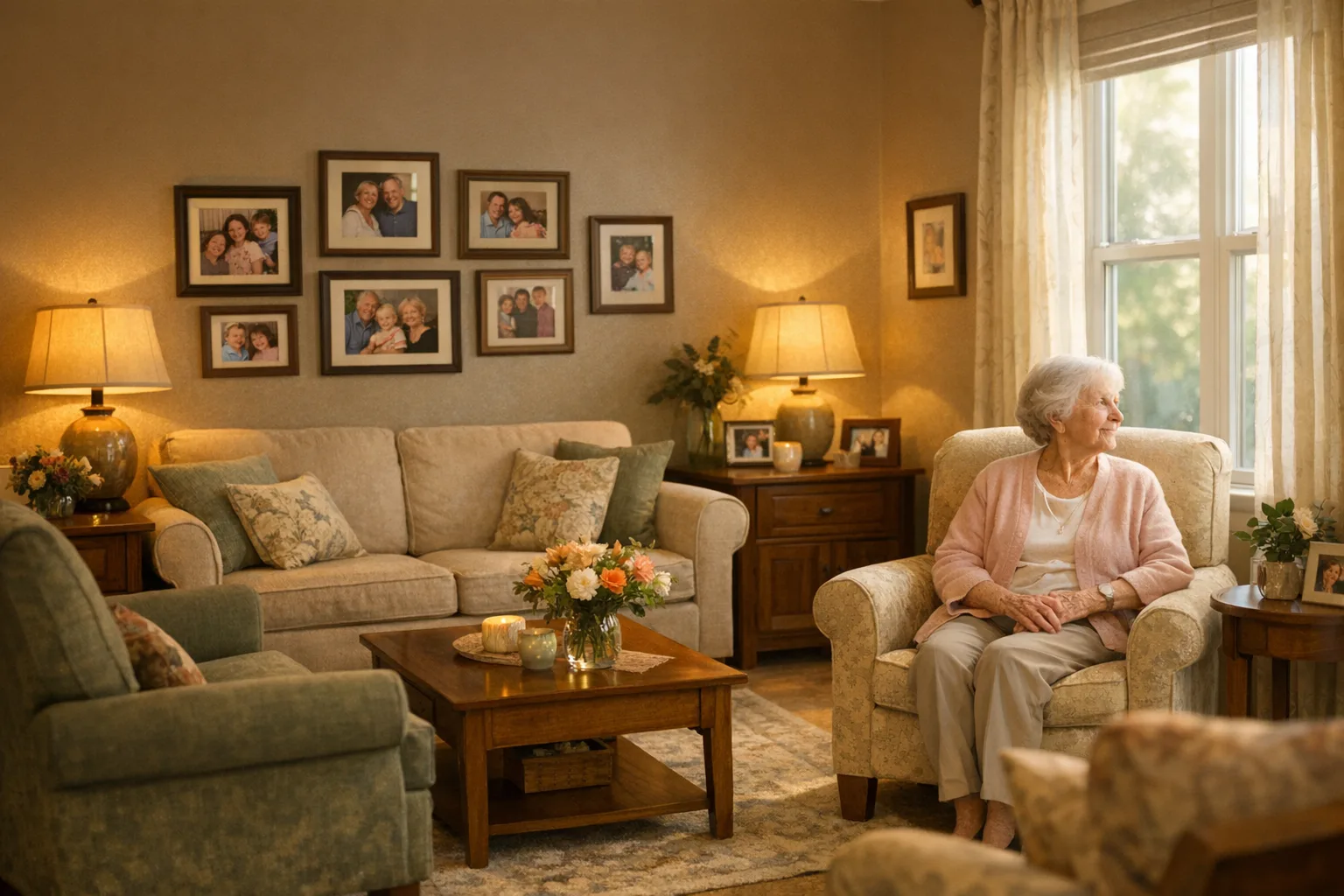
The $7 Difference That Could Bankrupt a Family Budget
In March 2026, Karen Mitchell thought she had figured out home care costs for her 78-year-old father with mid-stage Alzheimer's. She'd done her research. Standard hourly rates in her Chicago suburb ran $28–$32 per hour. She budgeted accordingly. Then the agency presented two quotes: one for companion care at $30/hour, and another—unexpectedly—at $37/hour for dementia-qualified care. "No one told me there was a different price until I specifically asked," Mitchell said. "I almost hired the cheaper aide. I don't know what I would have done if I hadn't asked."
Mitchell's experience isn't an anomaly. It's the norm. Across the United States in 2026, families seeking in-home care for loved ones with dementia face a premium that adds between 18% and 25% to standard hourly rates—a gap that can translate to $4,500–$6,500 more per year for someone receiving 20 hours of care weekly. This isn't a hidden fee or a negotiating tactic. It's a structural reality of the dementia care market, driven by training requirements, liability exposure, staffing challenges, and the unique behavioral demands of cognitive impairment care.
This investigation breaks down exactly why dementia care costs more, what the 2026 pricing landscape looks like across metropolitan and rural markets, and—critically—what families can do to avoid getting blindsided by these premiums.
What the Data Actually Shows: 2026 National Pricing
Before examining why dementia care commands a premium, let's establish what that premium actually costs in real dollars. Our analysis of 2026 agency rate cards, insurance reimbursement data, and state Medicaid wage surveys reveals a consistent pattern across markets.
Hourly Rate Comparison: Standard vs. Dementia-Qualified Care
| Care Setting | Standard Home Care | Dementia-Qualified Care | Premium Amount | Premium Percentage |
|---|---|---|---|---|
| Metropolitan (Urban) | $28–$34/hour | $34–$42/hour | $6–$8/hour | 18–24% |
| Suburban | $26–$32/hour | $31–$39/hour | $5–$8/hour | 19–25% |
| Rural | $22–$28/hour | $26–$34/hour | $4–$7/hour | 18–25% |
| National Median | $30/hour | $37/hour | $7/hour | 23% |
These figures represent 2026 base rates before agency fees, minimum-hour requirements, holiday surcharges, or live-in arrangements. The national median premium of 23% aligns closely with the 18–25% range cited by major home care industry associations. Notably, the premium percentage holds relatively steady across geography—but the absolute dollar impact is larger in urban areas simply because baseline rates are higher.
Price-Quotes Research Lab observes that while the percentage premium appears consistent, the compounding effect over a year of care is substantial. At 20 hours per week, a family paying the median urban dementia premium ($39/hour vs. $32/hour) spends approximately $7,280 more annually than they would for standard companion care. Over a three-year care trajectory, that's nearly $22,000 in additional costs—a figure that frequently exceeds the cash value of a modest retirement account.
Why Dementia Care Costs More: The Six Drivers
Understanding the premium requires moving beyond surface-level explanations. The 18–25% markup isn't arbitrary. It's the market's response to six distinct cost drivers that agencies must factor into their pricing.
1. Specialized Training Requirements
Caregivers providing dementia care typically need additional certifications beyond standard home health aide training. In 2026, most states require dementia-specific modules covering communication techniques for non-verbal stages, wandering prevention protocols, and de-escalation strategies for behavioral expressions. Agencies must pay for this training—often $800–$1,500 per caregiver—and factor in the productivity loss during training hours.
According to the National Association for Home Care & Hospice, dementia care training programs add an average of 40 training hours per qualified caregiver in 2026, with ongoing refresher requirements. This investment must be amortized across billable hours.
2. Higher Liability Insurance Costs
Dementia care carries elevated legal and insurance risk. Patients may become combative, wander into hazardous situations, or experience falls that trigger liability claims. Insurance carriers charge home care agencies 30–45% higher premiums for policies covering dementia-specific care, according to the Home Care Insurance Alliance's 2026 actuarial report. These costs flow directly into hourly rates.
3. Staffing Premiums and Retention Challenges
Dementia care is emotionally demanding work. Turnover rates among dementia-qualified caregivers run 15–20% higher than standard home care positions, according to the Bureau of Labor Statistics' 2026 care industry report. Agencies must offer pay premiums—typically $2–$4/hour above base—to attract and retain qualified staff. They also absorb recruitment costs that average $3,200 per hired caregiver in 2026.
4. Care Plan Complexity and Oversight
Standard companion care involves relatively straightforward tasks: meal preparation, light housekeeping, medication reminders, transportation assistance. Dementia care requires individualized care plans that evolve as cognitive decline progresses. Registered nurse oversight visits—recommended quarterly for dementia patients—add $75–$150 per visit to agency overhead. Documentation requirements are more extensive, consuming administrative resources.
5. Emergency and Unscheduled Hour Costs
Behavioral changes in dementia patients frequently require unscheduled intervention. A patient experiencing Sundowner's syndrome at 9 PM may need immediate support that a standard companion care plan doesn't cover. Agencies providing dementia care maintain on-call staffing capacity that must be compensated—whether or not those hours are ultimately used. This standby cost contributes 3–5% to hourly rates.
6. Equipment and Environmental Modifications
Safe dementia care often requires monitoring equipment, grab bar installation, secured perimeters, or cognitive aids. While some costs are one-time household investments, agencies typically absorb $150–$400 in initial safety assessment and recommendation documentation per client—costs that factor into pricing models.
The Regional Price Landscape in 2026
The 18–25% premium holds nationally, but absolute costs vary dramatically by geography. Understanding regional pricing helps families set realistic budgets and identify whether their local market offers opportunities for cost optimization.
Metro vs. Rural: The Cost-But-Not-Savings Paradox
One counterintuitive finding: rural dementia care, while cheaper in absolute terms, often represents a higher percentage of median household income. A $34/hour dementia care rate in rural Appalachia may represent a larger financial burden than a $42/hour rate in San Francisco, where median incomes are substantially higher and long-term care insurance penetration is greater.
Access is another rural challenge. Approximately 23% of rural counties lack a single dementia-qualified home care agency, according to the Alzheimer's Association's 2026 community resource analysis. Families in these areas face either extended travel wait times, significantly higher rates for agencies serving wide geographic areas, or the need to relocate their loved one.
State Medicaid Waiver Variability
For families qualifying for Medicaid, 2026 waiver program reimbursement rates vary by state. Some states—including Colorado, Washington, and Minnesota—have implemented dementia care rate enhancements that bring Medicaid reimbursement closer to private-pay rates, improving caregiver availability. Others, including several Southeastern states, maintain Medicaid rates that are 15–22% below actual market costs, creating chronic access problems for low-income dementia patients.
What Families Actually Pay: Three Real-World Scenarios
Aggregated data only tells part of the story. Here's how the dementia premium plays out in actual family situations.
Scenario 1: Early-Stage Care, Suburban Family
The Hendersons (retirees, 67 and 69) care for Karen's mother, 82, diagnosed with early-stage Alzheimer's in late 2025. Karen lives 30 minutes away and provides 15 hours per week of care herself but needs professional coverage for another 12 hours weekly while she works.
2026 costs: $36/hour for dementia-qualified aide, 12 hours/week, 52 weeks = $22,464 annually. Without the dementia premium, standard companion care at $29/hour would cost $18,144—a difference of $4,320 per year.
Scenario 2: Mid-Stage Care, Dual-Income Metro Family
The Nguyens, both working professionals, support Mr. Nguyen's father, 79, with moderate dementia. They require 35 hours per week of care to maintain their employment.
2026 costs: $41/hour dementia care (high-cost metro market), 35 hours/week = $74,620 annually. If Mr. Nguyen reduces work to part-time and they need only 20 hours weekly, annual cost drops to $42,640. A long-term care insurance policy with $200/day maximum benefit would cover approximately $41,000 of this, leaving significant out-of-pocket exposure.
Scenario 3: Late-Stage Care, Rural Single Caregiver
Janet, 58, is the sole caregiver for her mother, 84, with advanced dementia. She can work only part-time and needs 40 hours per week of professional care.
2026 costs: $31/hour dementia care (rural rate), 40 hours/week = $64,480 annually. This represents approximately 140% of Janet's estimated annual income, making the arrangement financially unsustainable without Medicaid or family support.
Insurance, Medicaid, and Financial Assistance
The dementia premium creates particular hardship for families relying on fixed incomes or limited insurance coverage. However, several financial pathways can offset these costs.
Long-Term Care Insurance
For families who purchased policies before cognitive decline began, 2026 long-term care insurance reimbursement rates typically cover dementia care at the same levels as other in-home care. Daily maximum benefits range from $150–$450 depending on policy terms, with elimination periods of 30–90 days common. However, approximately 40% of LTC insurance claims for dementia care are initially denied based on benefit trigger interpretations, according to the American Association for Long-Term Care Insurance's 2026 claim satisfaction survey. Families should document functional decline carefully and appeal denials aggressively—appeal success rates average 65%.
Veterans Benefits
Aid and Attendance pension benefits provide up to $2,727/month for veterans or surviving spouses with dementia who need help with daily activities. This benefit applies to home care costs and doesn't require service-connected disability. However, the application process takes 6–12 months, and claims backdated more than 12 months are generally not approved.
Medicaid Waiver Programs
State Medicaid programs offer home and community-based services waivers that can cover dementia care for low-income individuals. However, eligibility thresholds vary dramatically. In 2026, 14 states maintain asset limits below $15,000 for waiver eligibility, forcing families to spend down assets before qualifying. Spousal impoverishment rules protect the non-care-dependent spouse's income to some extent, but the process is complex and requires elder law attorney consultation.
Comparison: Home Care vs. Alternative Settings
For some families, the dementia premium makes in-home care financially prohibitive. A comparison with alternative care settings helps inform decisions about care setting trade-offs.
| Care Setting | Monthly Cost (2026) | Monthly Cost (2026) | Dementia-Specific Services | Key Trade-offs |
|---|---|---|---|---|
| In-Home Dementia Care (20 hrs/week) | $2,960 | $3,120–$3,680 | Specialized training, behavioral support | Aging in place, family involvement required |
| In-Home Dementia Care (40 hrs/week) | $5,920 | $6,240–$7,360 | Full daily support, safety monitoring | Cost comparable to facility care in some markets |
| Assisted Living (Dementia Unit) | $6,500 | $5,800–$8,200 | Structured environment, 24-hour supervision | Loss of home, higher acuity limits |
| Nursing Home (Dementia Wing) | $9,400 | $8,200–$11,500 | Medical oversight, complex care management | Highest cost, clinical environment |
As this comparison illustrates, assisted living and nursing home costs often exceed full-time in-home care for families able to supplement informal family caregiving. The break-even point varies by regional market, but many families discover that combining 20–30 hours of professional in-home care with their own caregiving effort provides the best cost-quality balance.
How to Avoid Getting Overcharged: A Family's Checklist
Understanding the dementia premium doesn't automatically protect families from overpaying. The home care market has limited price transparency, and not all agencies price their dementia care services consistently. Here's how to protect yourself.
Questions to Ask Every Agency Before Signing
- What specific training does your dementia care staff complete? Look for programs exceeding state minimums—40+ hours is standard for quality providers.
- How do you calculate the dementia premium? Premiums should reflect training, oversight, and staffing costs—not simply a flat surcharge added to standard rates.
- Do you have minimum-hour requirements? Some agencies require 4-hour minimum shifts, inflating costs for families needing only brief coverage.
- What happens if my loved one's needs escalate? Ask how rates adjust as dementia progresses. Some agencies lock rates; others add surcharges for higher-care stages.
- Can I speak with current dementia care clients or families? References provide reality-checking for service quality claims.
Red Flags That Signal Overcharging
Beware of agencies that cannot explain their pricing structure, offer "introductory rates" that spike after 90 days, or quote dementia care rates within $1–$2 of standard companion care—either they lack qualified staff and are padding general rates, or they're underpricing and may cut corners on training.
Also watch for bundled fees that obscure the dementia premium. If an agency quotes $45/hour with "all services included," push for itemization. The dementia premium should be identifiable as a distinct line item—if it's buried in a bundled rate, you lose the ability to comparison shop.
What to Do Next: A Practical Action Plan
If you're currently researching dementia care costs or anticipate needing in-home support for a loved one with cognitive impairment, here's your priority action list.
- Get a formal cognitive assessment. A neurologist or geriatrician can stage the dementia and provide documentation needed for insurance claims and care planning. This costs $200–$500 out-of-pocket but creates the paper trail necessary for LTC insurance reimbursement and Medicaid eligibility.
- Request itemized quotes from at least three agencies. Use our price comparison tool to request standardized quotes that allow apple-to-apple comparison. Be explicit that you need dementia-qualified care and ask for the specific training credentials of assigned caregivers.
- Review your existing insurance coverage. If you have long-term care insurance, contact your carrier immediately to understand 2026 claim requirements, benefit triggers, and documentation needs. Early notification—even before you begin services—can accelerate claims processing.
- Explore veteran benefits and Medicaid waivers. Apply for Aid and Attendance now, even if you don't need immediate financial assistance. The application takes months, and benefits are backdated to application date, not approval date.
- Plan for escalation. Dementia is progressive. Build cost projections for mid-stage and late-stage care needs, not just current needs. This prevents the shock of rate renegotiations as care requirements increase.
The dementia care premium is real, substantial, and unavoidable—but it's also manageable with proper planning. The families who navigate these costs most successfully are those who educate themselves early, compare options systematically, and advocate clearly for the services their loved ones need.
Caregiving for someone with dementia is emotionally demanding enough. Financial surprises shouldn't add to that burden. Understanding the 18–25% premium—and knowing exactly what it covers—is the first step toward managing it effectively.